
Why Relations Come First
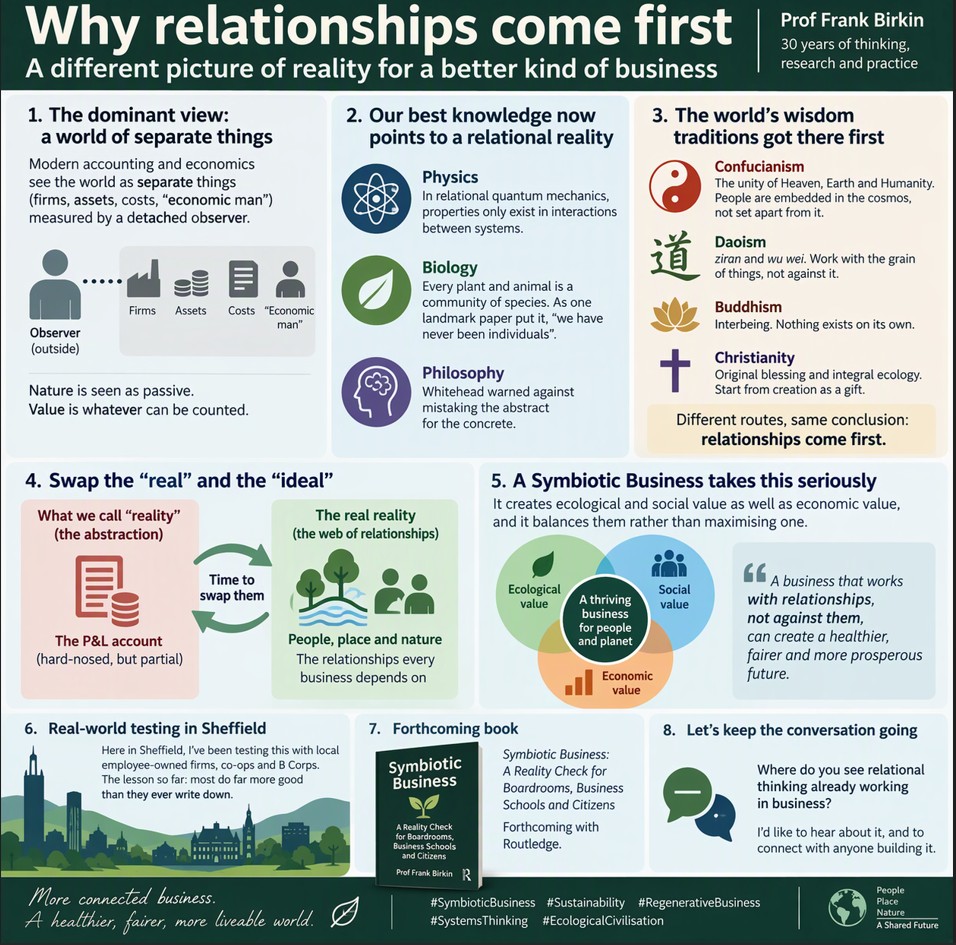
Why relationships come first For 30 years I’ve argued one thing: business runs on the wrong picture of reality. It started with a 1996 paper, “The Ecological Accountant: from the Cogito to Thinking Like a Mountain”. Modern accounting and economics see the world as separate things (firms, assets, costs, “economic man”) measured by a detached observer. Nature is passive. Value is whatever can be counted.
What is a Regenerative Business?
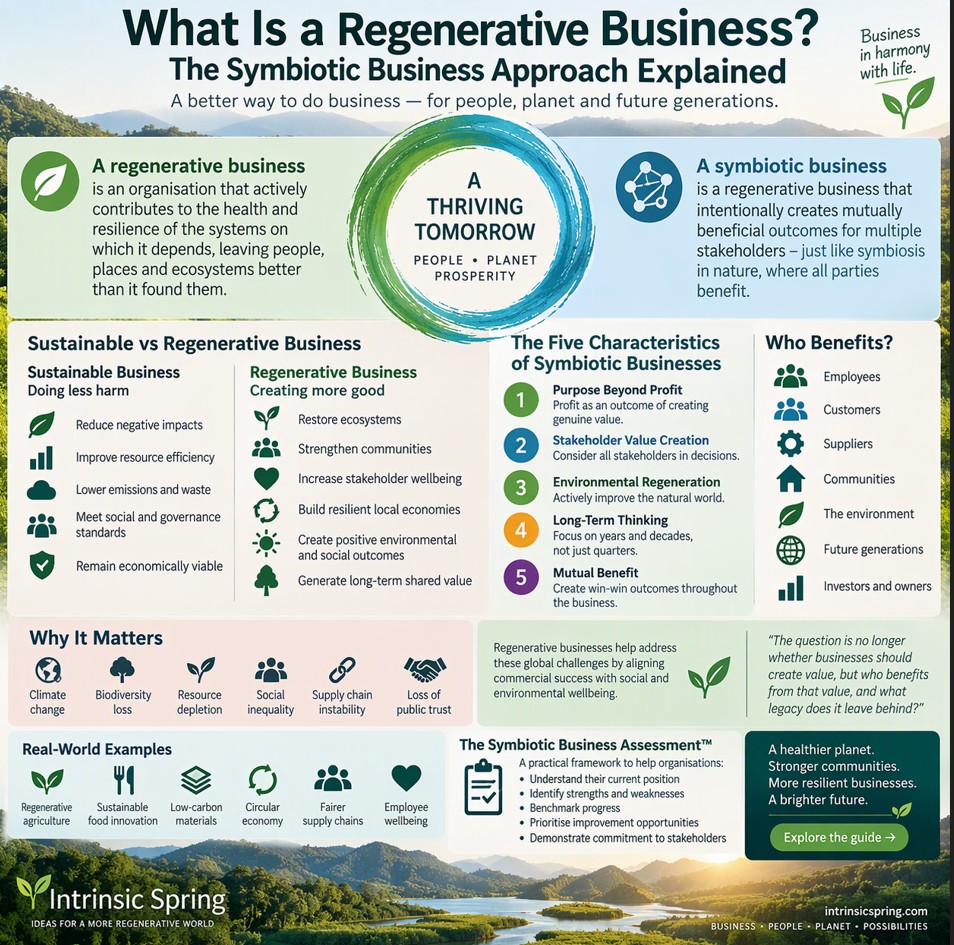
What Is a Regenerative Business? The Symbiotic Business Approach Explained Many businesses aim to reduce their negative impact on the environment and society. Regenerative businesses go a step further. Rather than simply doing less harm, they seek to create positive outcomes for people, communities, ecosystems and future generations. This article explains what a regenerative business is, how it differs from traditional sustainability approaches, and how

Triodos Bank: Banking for People, Planet and Prosperity
In an era when many people are questioning the role of finance in society, Triodos Bank has developed a different approach to banking. Rather than focusing solely on financial returns, the organisation seeks to direct money towards projects and businesses that generate positive social, environmental and cultural impact. Founded on the belief that finance should serve people and the planet as well as profit, Triodos has
Beyond ESG, B Corp and the SDGs: Introducing the Symbiotic Business Assessment™
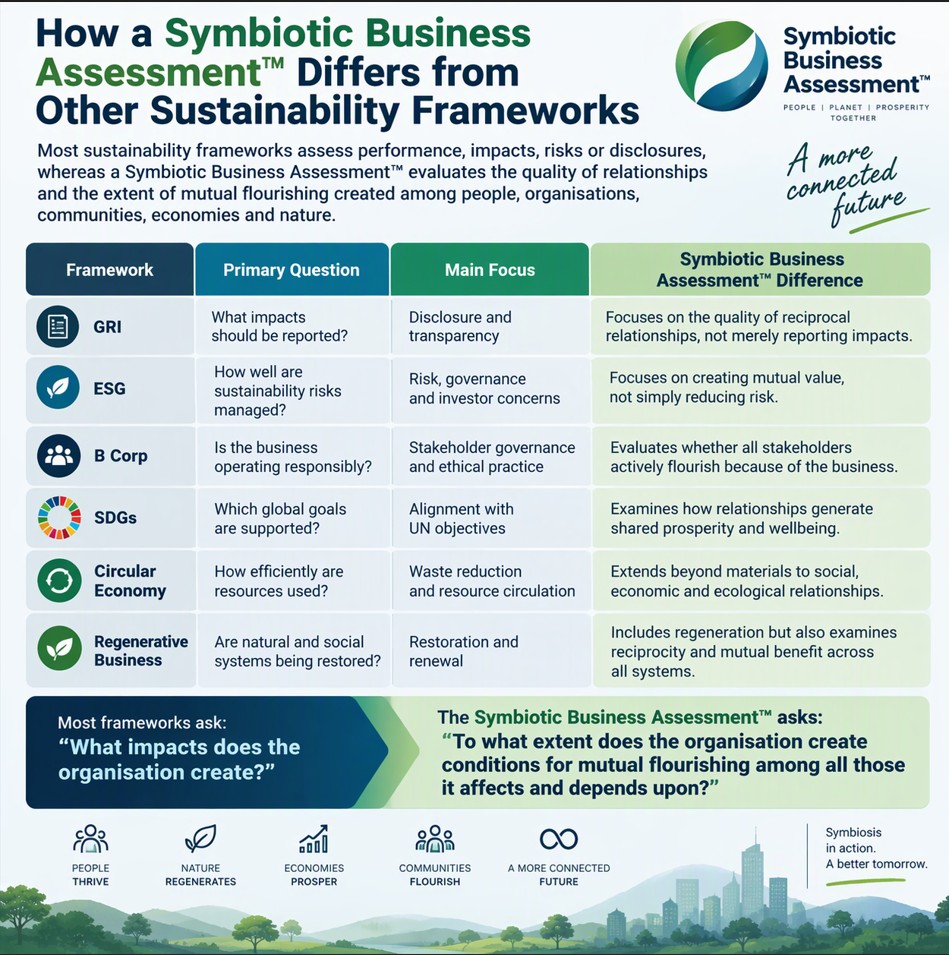
Are we measuring the right things? Over the past decade, frameworks such as ESG, GRI, B Corp, the SDGs, Circular Economy and Regenerative Business have helped organisations better understand their responsibilities and impacts. But what if the most important question isn’t about disclosure, compliance, risk, efficiency or even impact? What if the real measure of success is the extent to which an organisation creates conditions for mutual flourishing
Riverford Organic Farmers: A Leading Example of Sustainable Food and Ethical Farming
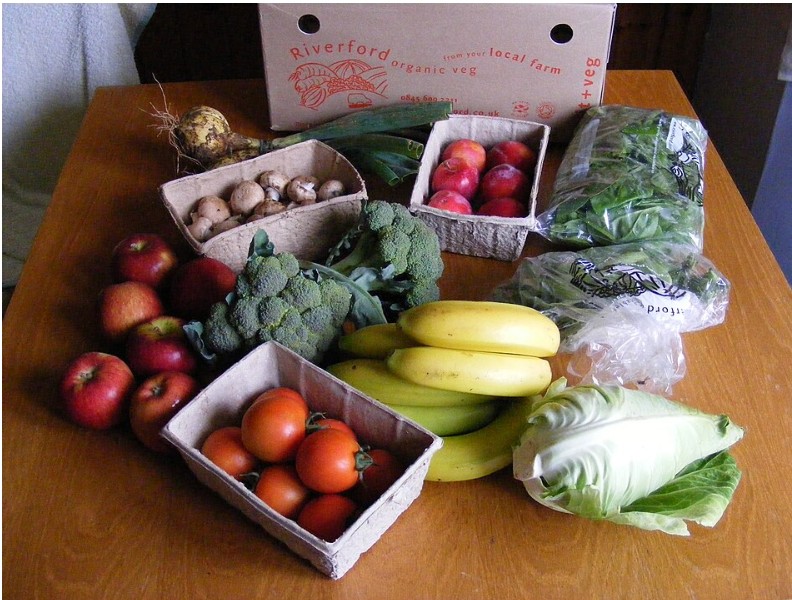
Copyright: The Creative Commons Attribution-Share Alike 3.0 Unported license. Riverford Organic Farmers: A Leading Example of Sustainable Food and Ethical Farming In an era when consumers increasingly seek transparency, sustainability and ethical business practices, Riverford Organic Farmers has emerged as one of the UK’s most respected food businesses. Founded on principles of organic agriculture, environmental stewardship and fair treatment of people throughout the supply chain,
Patagonia: The World’s Most Symbiotic Business?
Few companies have done more to redefine the relationship between business, society and the environment than Patagonia. Founded in 1973 by climber and entrepreneur Yvon Chouinard, Patagonia has grown from a small outdoor equipment business into a globally recognised leader in sustainable and purpose-driven commerce. The company is renowned not only for producing high-quality outdoor clothing and gear but also for challenging conventional business thinking
