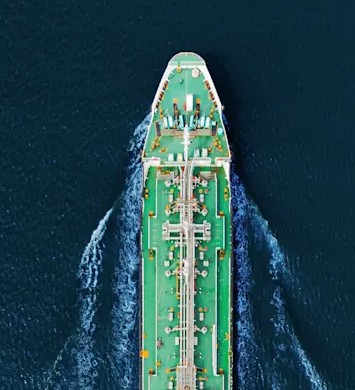
Neste is the world’s leading producer of renewable diesel and sustainable aviation fuel (SAF), with production on three continents.
Neste produce high-quality renewable fuels at their refineries in Finland, the Netherlands and Singapore as well as through their joint operation with Marathon Petroleum in Martinez, California, entirely from renewable raw materials with an annual nameplate capacity of approximately 5.5 million tons.
When completed, Neste’s Rotterdam refinery capacity expansion project will further increase the company’s total production capacity of renewable products to 6.8 million tons annually in 2027.
Neste also produces high-quality oil products at its Porvoo refinery in Finland. Their long-term plan is to gradually transform their Porvoo oil refinery into a renewable and circular solutions refining hub.
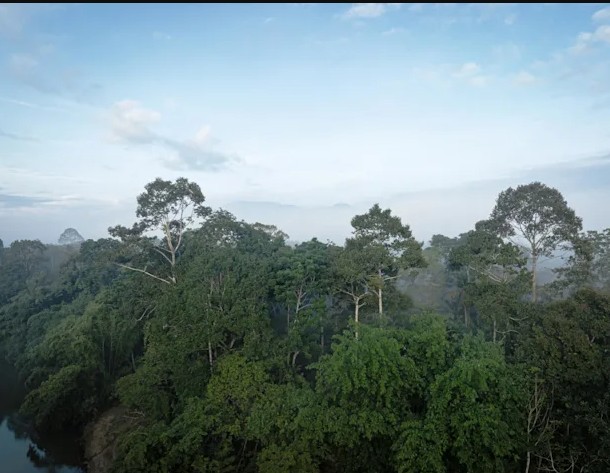
Neste’s business is dependent on natural resources and healthy ecosystems, which are essential for people, the planet and business long-term resilience. Land, water and mitigating environmental impacts from pollution are key focus areas of their biodiversity work.
Neste aims to drive a positive impact on biodiversity in its operations and in its value chain. They are taking a proactive, comprehensive and a phased approach to biodiversity: Net Positive Impacts (NPI) from new activities. They aim to generate a net positive impact on biodiversity for all new direct operations, with implementation of the NPI approach from 2025 onwards.
No Net Loss (NNL) from all ongoing activities They aim at no net loss of biodiversity from their existing operations and plan to implement an approach to ensure this by 2035. Nature Positive Impact throughout their value chain by 2040 They continue to seek effective collaboration across their value chain to avoid impacts on biodiversity and create a positive impact on nature.
To achieve these goals, they apply the mitigation hierarchy to manage their biodiversity impacts in a structured, stepwise manner. Their efforts are concentrated on managing risks to biodiversity in key focus areas where their operation and sourcing activities can have the most significant impacts: land, water and pollution.
Understanding nature-related dependencies, impacts, risks and opportunities is an ongoing focus. These assessments inform their strategy and priority actions to address significant impacts and risks that are material to their business. They continuously strengthen their sustainability practices and environmental due diligence to manage nature-related issues effectively.