The Intrinsic Spring Blog

Ocado Sustainable Groceries

Ocado

Grocers with Vision Ocado’s Mission is to change the way the world shops, for good. This shapes their approach to responsible business, where they are focusing on creating a circular model, reducing their carbon impact, adhering to the highest ethical standards in their business conduct and building skills for the future. Ocado stands out in environmental sustainability with a strong focus on reducing its ecological footprint. Socially, it aligns closely with industry averages but shows potential for enhancing its community impact and workforce policies. Governance-wise, Ocado excels in upholding ethical standards and transparent operations, surpassing industry norms and setting a high benchmark for accountability and integrity.   The Ocado Smart Platform (OSP) harnesses the power of artificial intelligence, robotics and automation to solve the unique

Read More »

Boklok

Boklok want to challenge the construction industry and wider society by demonstrating that when it comes to the delivery of new homes, it is possible to combine sustainability and good quality with a price that many can afford. Together with their employees, their owners, their partners and their customers, they want to support a more sustainable approach to both the construction of new homes and the way in which people live in them. Boklok aims to incorporate many measures within their homes that will assist future homeowners to save energy and as a result, money too! From including/making provisions for electric car charging points to using the highest efficiency-rated boilers available and installing water-saving taps, showers and toilets, they want to assist their purchasers in

Read More »
Cariuma Sneakers

CARIUMA

Sustainable Footwear Cariuma imbue every stage of their sneaker-making process with an eco-conscious spirit, from designing to curating materials responsibly, to shipping and giving back to the environment. Being better for the planet is their first priority. Sneakers with a Green Conscience Organic Cotton Cariuma exclusively source organic cotton grown with regenerative methods, without harmful pesticides or fertilizers and combating heavy soil erosion and nitrate leaching. Rubber They use natural rubber gathered with through ethical “tapping” so no trees are ever harmed. Bamboo Cariuma shoes are made using bamboo fibre pulp cut from the stalk to protects the integrity of the plant and soil and certified by the Forest Stewardship Council. Sugarcane Their sugarcane relies on rainwater to thrive and is a fully-renewable, bio-based resource

Read More »
Meatable Burger

Meatable

Not like real meat – IT IS REAL MEAT Current agricultural production methods have a devastating impact on the environment and society. Raising livestock to feed more people more protein will only make the situation worse.  Meatable is leading the charge in revolutionizing how we produce and consume meat. With groundbreaking technology that produces planet-friendly meat in days instead of months/years, Meatable is setting a new standard for efficiency, sustainability, and scalability in the food industry. Their cultivated meat technology is designed to complement and integrate into traditional meat supply chains, offering opportunities for partnerships that strengthen the entire system.  Traditional agriculture does come with negative consequences: impact on the quality of our soil and water, its negative contribution to climate change and the number of animals

Read More »
Monbiot Rebood Food

Reboot Food

George Monbiot, Guardian newspaper columnist and author, explains the pros and cons of Alternative Proteins – Precision Fermentation, Cultivated Meat & Plant Based. These innovative protein sources offer promising alternatives to traditional animal-based products, reducing environmental impact, and promoting a healthier, more compassionate approach to food production. Animal Free Foods Food for Everyone Planet Wide Rewilding Healthier 4 core principles to reboot food Make it plant centred:In a rebooted food system, healthy and varied plant based foods should be at the centre of everything.   Brew, don’t slaughter:Animal farming should be phased out with today’s animal products replaced by identical precision fermentation products wherever possible.   Use as little land as possible,rewild everything else:We must prioritise high yield, low impact farming to spare as much space for nature

Read More »
Interface Flooring

Interface

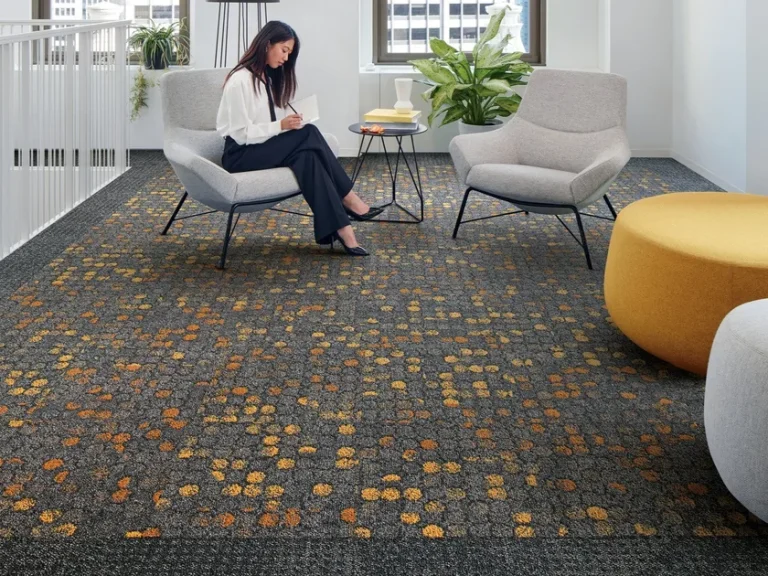
Sustainable Commercial Flooring 1994 SET INTERFACE ON A new COURSE Founder Ray Anderson had a “spear in the chest” and realised the importance of becoming sustainable.  He set INTERACE on a path to create a regenerative future. Now, more than 30 years later, INTERFACE knows that their flooring can deliver great design, performance, and sustainability – with no compromises! HOW INTEFACE RECYCLING WORKS Interface collect used flooring tiles from organisations around the world and the take them to their factory. Their recycling machine in Scherpenzeel in the Netherlands then kicks into gear. This machine isn’t just any ordinary equipment. It’s been third-party verified by Lloyd’s, ensuring that the output of the recycling process creates raw materials that can be used for new products. INTERFACE IS DRIVEN BY DESIGN From

Read More »
Precision Fermentation

Reboot Food

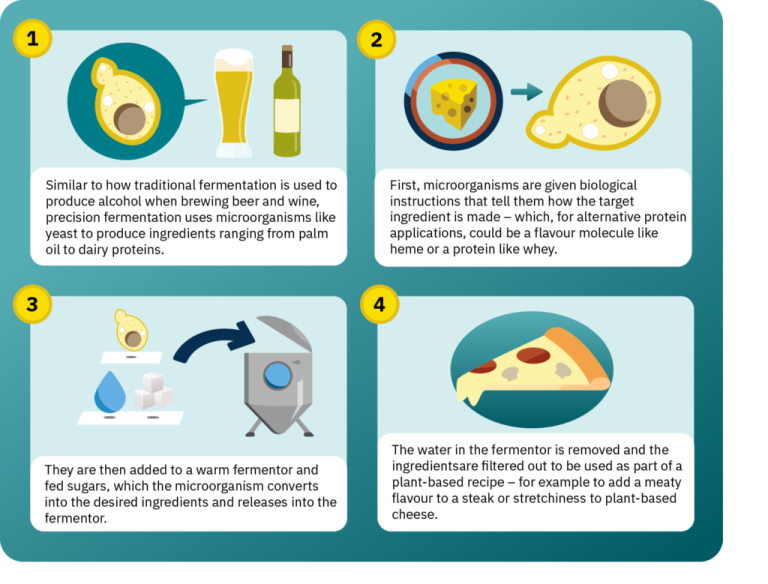
Reboot Food Manifesto : Make it plant centred:In a rebooted food system, healthy and varied plant based foods should be at the centre of everything.   Brew, don’t slaughter:Animal farming should be phased out with today’s animal products replaced by identical precision fermentation products wherever possible.   Use as little land as possible,rewild everything else:We must prioritise high yield, low impact farming to spare as much space for nature as possible. On the land left behind we must pay farmers to rewild.   Open source everything:New technologies in food should be open source and corporate concentration must be actively mitigated to ensure the benefits of the food revolution are shared equally with all.  Precision Fermentation could feed the world using only 1/4 of today’s farmland Precision fermentation is

Read More »
Nano Fibres

MakeGrowLab

Fermented Nano Fibres as Plastic Alternatives MakeGrowLab (MGL) is a biotech company specializing in the large-scale growth of nanofibers -the foundation of home compostable and plastic-free materials. Their core technology is a high-performance nano-fiber grown by microbes through the upcycling of local biowaste. The Future of Sustainable Packaging Derived from biowaste through microbial synthesis, the MakeGrowLab SPM Nanocellulose is a ground-breaking material that powers their home-compostable packaging solutions. By harnessing the power of nanoscale technology, they have made trees-free cellulose with: Enhanced barrier properties: Protecting your products longer. Improved mechanical strength: Ensuring durability and safety. Home compostability and non-toxicity: A greener, safer choice for the planet. ​ A SUSTAINABLE LEATHER ALTERNATIVE FOR FASHION AND INTERIOR DESIGN. Made from unwanted food, 100% plastic-free, Vegan friendly Significantly more efficient

Read More »
Cyndi Rhoades - Founder Worn Again Technologies

Worn Again

Clothes propelling the Circular Economy The Worn Again Mission is To strive to transform the current textile recycling system using scalable, profitable technologies. To accelerate their impact, technology licenses are available to operators that share their vision. Their Green Fibres offer eco-friendly solutions, with benefits like sustainability and reduced environmental impact. They promote renewable resources, contributing to a cleaner planet. In 2025 Worn Again have started construction of a Textile-to-Fibre Accelerator recycling plant. The first production module of the plant will be delivered and start commissioning in Q4 2025, demonstrating cicrular PET from polycotton textile waste. A future upgrade will produce cellulose fibres. Worn Again Partners include H&M Group, Sulzer Chemtech, Oerlikon, Himes, Directex, Kering, Dibella, Sympatex, ASICS Europe, the Circular Fashion Partnership (Europe/Bangladesh), Fashion

Read More »
Farm Urban

Farm Urban

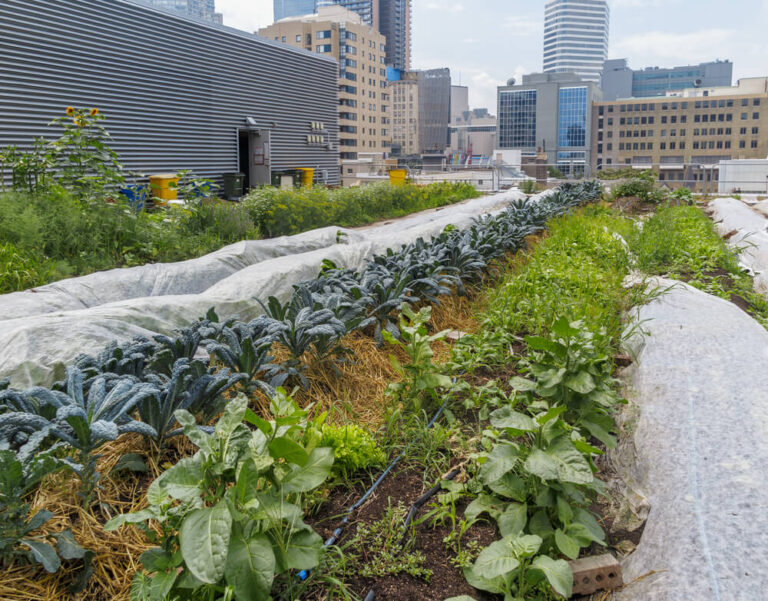
Aquaponics for Cities Farm Urban is on a mission to transform our cities, towns and organisations into greener, healthier, more inclusive places.  They use Vertical Farming which refers to the practice of cultivating crops in vertically stacked layers, utilizing controlled environments. This method allows for the growth of plants in various structures, including skyscrapers, warehouses, and shipping containers, making it particularly suitable for urban areas where land is scarce. The basic components of an aquaponic vertical farm include fish tanks, hydroponic vertical channels or beds, and a sump tank. All components are connected by tubing to allow efficient water flow and recirculation. A Green Oasis from Farm Urban Combining vertical farms, urban allotments and mixed-use event space with food and drink – with unmissable views from unused rooftop spaces, an Urban Oases is both a visitor attraction and a sustainable urban regeneration opportunity for real estate owners, developers and local authorities. Roots & Shoots Farm Urban in the classroom in primary schools, secondary schools, community organisations

Read More »
Stay connected

Help Make Good Change Happen

With
New Knowledge
New Values
New Opportunities

Join our Social Movement & help create vibrant living communities that support the kind of businesses, governments and people that we so urgently need for sustainability, to give ourselves a future.