Category: Updates

Patagonia outdoor clothing store showcasing the company's commitment to environmental sustainability, ethical business practices and responsible consumption.

Patagonia: The World’s Most Symbiotic Business?

Few companies have done more to redefine the relationship between business, society and the environment than Patagonia. Founded in 1973 by climber and entrepreneur Yvon Chouinard, Patagonia has grown from a small outdoor equipment business into a globally recognised leader in sustainable and purpose-driven commerce. The company is renowned not only for producing high-quality outdoor clothing and gear but also for challenging conventional business thinking through its commitment to environmental protection, ethical supply chains, responsible consumption and long-term stewardship of natural resources. Patagonia’s mission, “We’re in business to save our home planet,” reflects a philosophy that extends beyond profit generation to encompass the wellbeing of customers, employees, communities and ecosystems. Through initiatives such as sustainable materials sourcing, product repair and reuse programmes, environmental activism and
Read More »
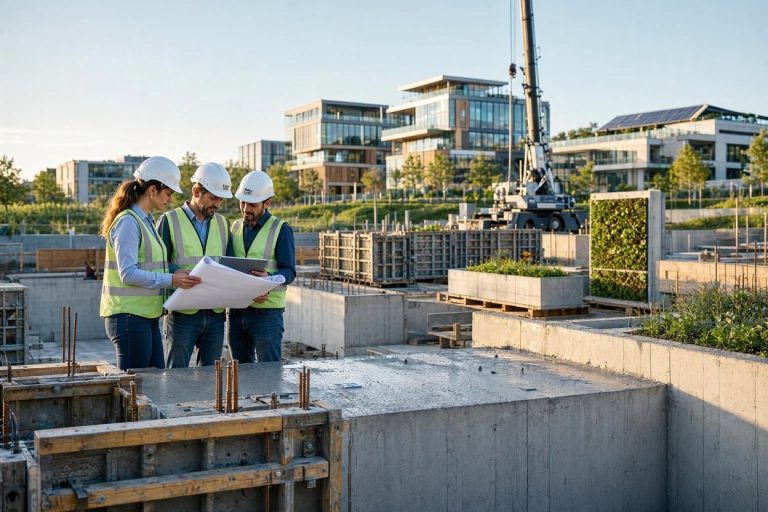
Architects reviewing plans at a sustainable construction site using low‑carbon concrete, with modern green buildings and environmentally integrated urban development in the background.

NuGreen: Building a Symbiotic Future Through Low-Carbon Cement

The construction industry is responsible for some of the world’s highest levels of carbon emissions, with cement production alone contributing significantly to the climate challenge. Yet the buildings, infrastructure and communities we depend upon cannot simply be abandoned. The real question is whether one of humanity’s most essential materials can be reimagined for a more sustainable future. NuGreen offers a compelling answer. Through the development of clinker-free, low-carbon cement, the company is demonstrating how industrial innovation can dramatically reduce environmental impact while maintaining the performance demanded by modern construction. Rather than viewing economic success and ecological responsibility as competing objectives, NuGreen seeks to align them. From a Symbiotic Business perspective, NuGreen is particularly noteworthy because its innovation creates value across multiple forms of capital. Its

Read More »
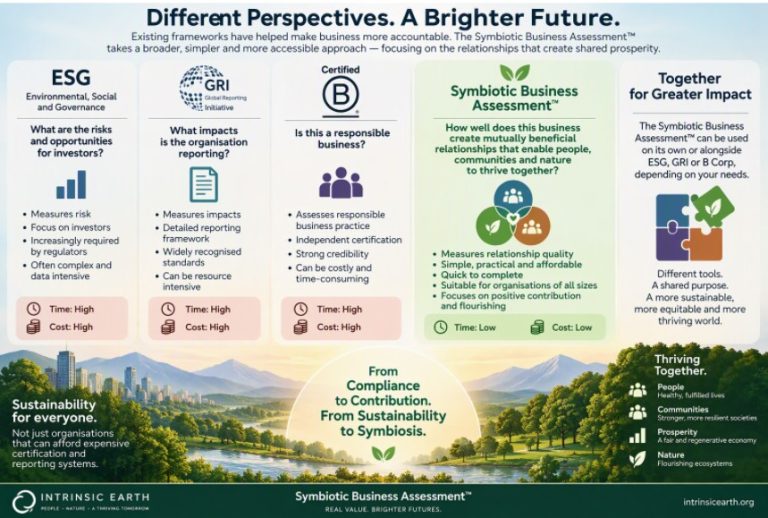
Infographic comparing traditional sustainability frameworks with the Symbiotic Business Assessment™, highlighting the shift from compliance, reporting and risk management towards relationship quality, mutual benefit, regeneration and shared prosperity for people, communities, economies and nature.

Why the Future of Business Is Symbiotic

Businesses today face increasing pressure to demonstrate their environmental, social and economic value. Frameworks such as ESG, GRI and B Corp have emerged to help organisations measure impacts, manage risks and improve accountability. While these approaches have made important contributions, they can also be complex, expensive and time-consuming, particularly for smaller organisations. The Symbiotic Business Assessment™ offers a different approach. Rather than focusing primarily on compliance, reporting or certification, it evaluates how effectively a business creates mutually beneficial relationships among people, communities, economies and nature. By placing relationship quality, shared prosperity and regeneration at the centre of assessment, it provides a simple and accessible framework for understanding business contribution in a rapidly changing world. This article explores why a symbiotic approach may represent the next

Read More »
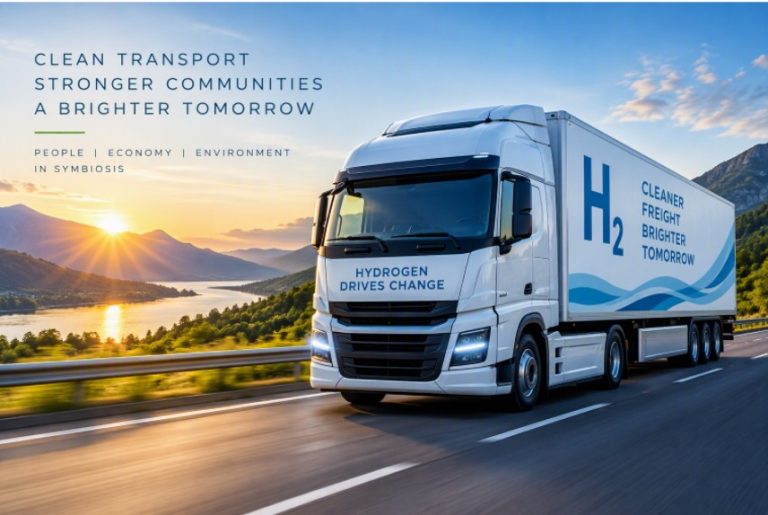
A modern hydrogen-powered heavy goods vehicle representing the future of clean freight transport, illustrating the transition from diesel dependency to low-emission logistics and sustainable mobility.

Hydrogen Vehicle Systems: Building a Symbiotic Future for Freight Transport

What does a truly symbiotic business look like in practice? As the world seeks solutions to reduce emissions, improve efficiency, and create long-term economic value, some businesses are demonstrating that commercial success and environmental responsibility can go hand in hand. Hydrogen Vehicle Systems (HVS) is one such example. By developing hydrogen-powered freight transport solutions, HVS aims to address one of the most challenging areas of decarbonisation: heavy goods transportation. Rather than simply replacing one vehicle with another, the company is working towards a transport system that can reduce environmental impact while supporting economic productivity and industry innovation. Using the Symbiotic Business Assessment™, HVS scores strongly because its activities seek to create value across three interconnected dimensions: ✅ Economic Prosperity✅ Environmental Sustainability✅ Social Wellbeing This is

Read More »
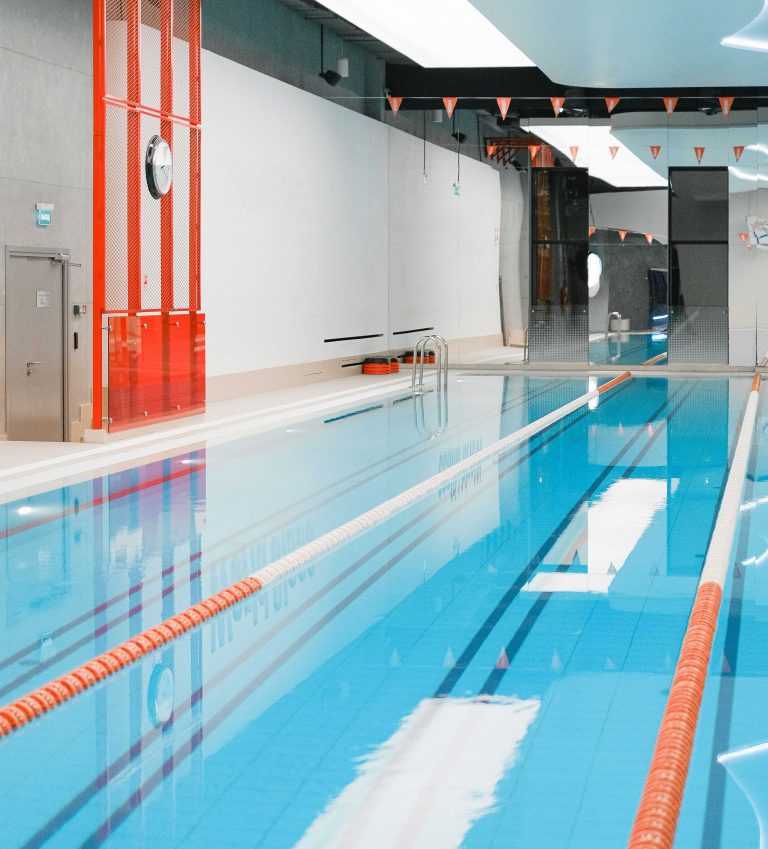
Exercising and socialising at a modern leisure centre, promoting health, wellbeing and community engagement.

Places Leisure: An Example of an Emerging Symbiotic Business

What if a leisure centre is more than a place to exercise, swim, or play sport? What if it is part of a living system that helps people, communities, partners, and the organisation itself thrive together? Places Leisure offers an interesting example of what an emerging symbiotic business can look like in practice. Rather than focusing solely on operational performance or financial outcomes, it seeks to create value for multiple stakeholders through healthier lifestyles, stronger communities, and collaborative partnerships. In doing so, it demonstrates how organisations can move beyond the traditional machine model of business and become active participants in the wellbeing of the wider society. Viewed through the lens of Symbiotic Business, Places Leisure highlights a simple but powerful principle: sustainable success is often

Read More »
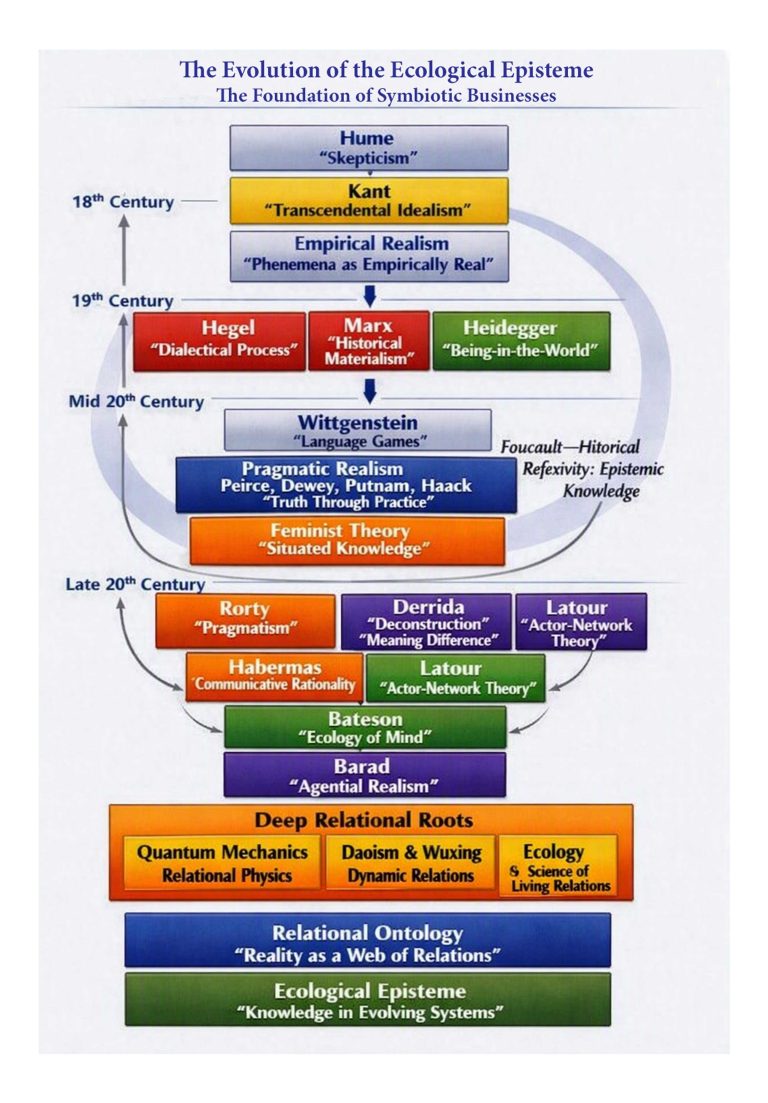
Evolution of Relational Ontology chart showing the historical progression from structuralism and systems thinking toward ecological, relational, and symbiotic worldviews.

The Evolution of Relational Ontology: Foundations of a Symbiotic Business

.For decades, business thinking has been shaped by mechanistic assumptions that regard organisations as machines, people as units, and value as economic output. But beneath that surface, a different intellectual lineage has been quietly evolving. The Evolution of Relational Ontology traces this shift: from structural and systems thinking, through ecological science and relational agency, toward a worldview where connection, interdependence, and capability define how systems actually work. This relational lineage is the foundation of Symbiotic Business. It shows that symbiosis isn’t a new idea: it’s the next practical application in a long philosophical evolution. By understanding this progression, we can see why organisations must move beyond control and efficiency, and begin designing for relationships, resilience, and living‑system dynamics. This chart is the map. Symbiotic Business

Read More »
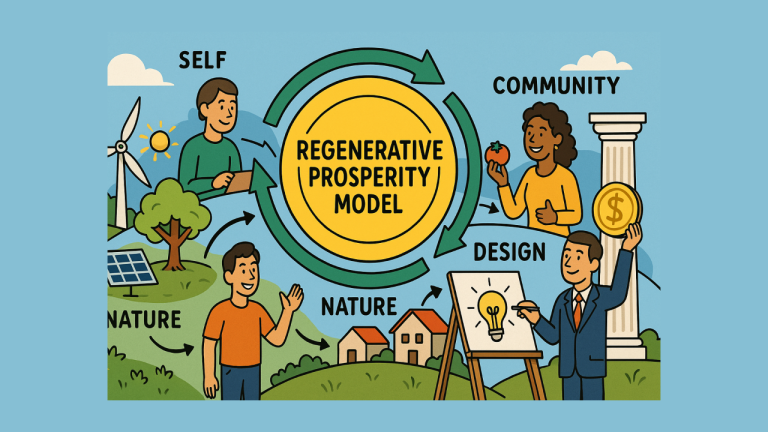
Illustration showing renewable energy, natural landscapes, and people collaborating to represent regenerative economic systems.

Transformative Capital: Accelerating Regenerative Economy Projects Through Conscious Capital

Transformative Capital is a regenerative‑economy catalyst working at the intersection of conscious capital, multi‑stakeholder collaboration, and eco‑social entrepreneurship. Their mission centres on improving quality of life and fostering ecosystemic thriving for people and planet, while enabling entrepreneurs, investors, governments, and communities to create aligned, profitable, and regenerative outcomes. Through integrated expertise in finance, law, technology, leadership, and smart infrastructure, Transformative Capital helps organisations become capital‑ready, develop regenerative projects, and access innovative debt, equity, and hybrid financing. With experience across more than $500 million in transactions and relationships touching $100 billion in capital, they support companies and governments in building regenerative infrastructure, healthy lifestyle brands, renewable energy systems, and thriving local economies. They are advancing the multi‑trillion‑dollar regenerative economy. Transformative Capital is clearly positioned as a

Read More »
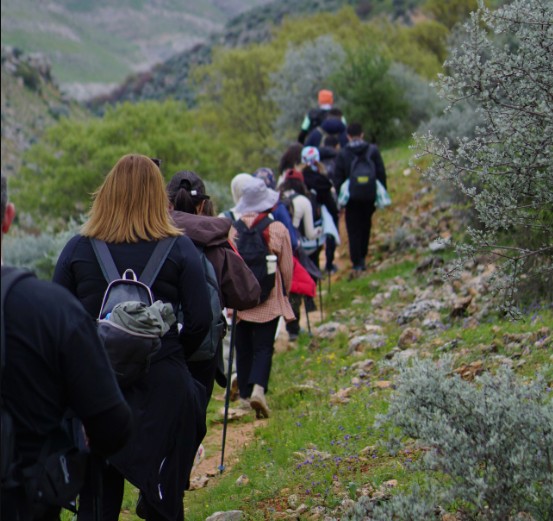
People walking through a natural landscape on a responsible travel experience, showing a respectful and symbiotic relationship with the environment.

Is Responsible Travel a Truly Symbiotic Business?

Travel has always been a way for people to connect with landscapes, cultures, and one another. But in a world facing ecological strain and social imbalance, the way we travel matters more than ever.  Responsible Travel positions itself as a pioneer in ethical tourism, offering holidays designed to benefit local people, protect environments, and enrich the traveller’s experience. This approach aligns closely with the principles of Symbiotic Business: creating value that flows in multiple directions rather than extracting it from communities or ecosystems. The question is whether tourism as a whole  can move beyond sustainability and into true symbiosis where travel becomes a force for mutual flourishing.   Responsible Travel positions itself as the world’s first and largest responsible holiday company, founded in 2000 and

Read More »
Lightweight Allbirds Tree Runner shoes displayed in a clean, minimalist layout, highlighting their breathable, sustainable materials.

Allbirds: A Proto Symbiotic Brand Redefining Sustainable Footwear

Allbirds is a modern footwear and apparel brand built around one simple idea: comfort made from nature. Their shoes are designed to be lightweight, breathable, and effortlessly wearable; perfect for daily routines, weekend plans, travel, and everything in between. What sets Allbirds apart is their commitment to replacing petroleum‑based synthetics with natural materials such as wool, tree fibre, and sugarcane. These materials are soft, durable, and better for the planet, reflecting the brand’s mission to create products that feel good and do good. Across their range, Tree Runners, Wool Runners, loungers, slip‑ons, socks, and apparel, blend minimalist design with eco‑friendly innovation. The result is footwear that delivers wild comfort, simple style, and a lighter environmental footprint, making Allbirds one of the most recognisable sustainable brands

Read More »
Bee‑free honey by MeliBio showcasing sustainable, plant‑based innovation that protects native pollinators.

MeliBio: Bee‑Free Honey Innovation Transforming Food Security and Biodiversity

MeliBio is a pioneering California‑based food‑tech company transforming the future of honey through science, sustainability, and ethical innovation. Founded in 2020 by Darko Mandich and Dr. Aaron Schaller, MeliBio developed the world’s first bee‑free, plant‑based honey, designed to protect native pollinators while strengthening global food security. Their flagship product, Mellody®, debuted with the three‑Michelin‑starred Eleven Madison Park before expanding into mainstream retail, demonstrating both culinary credibility and commercial scalability. In 2025, MeliBio entered a new chapter as it became part of FoodYoung Labs, a Swiss food‑science group with more than 145 years of heritage in clean‑label, transparent, and health‑focused food innovation. This acquisition brings together MeliBio’s breakthrough bee‑free technology with FoodYoung Labs’ full‑stack innovation capabilities, accelerating the development of sustainable sweeteners and next‑generation food products

Read More »
Stay connected

Help Make Good Change Happen

With
New Knowledge
New Values
New Opportunities

Join our Social Movement & help create vibrant living communities that support the kind of businesses, governments and people that we so urgently need for sustainability, to give ourselves a future.

Resources