

Allbirds is a modern footwear and apparel brand built around one simple idea: comfort made from nature. Their shoes are designed to be lightweight, breathable, and effortlessly wearable; perfect for daily routines, weekend plans, travel, and everything in between. What sets Allbirds apart is their commitment to replacing petroleum‑based synthetics with natural materials such as wool, tree fibre, and sugarcane. These materials are soft, durable, and better for the planet, reflecting the brand’s mission to create products that feel good and do good.
Across their range, Tree Runners, Wool Runners, loungers, slip‑ons, socks, and apparel, blend minimalist design with eco‑friendly innovation. The result is footwear that delivers wild comfort, simple style, and a lighter environmental footprint, making Allbirds one of the most recognisable sustainable brands in today’s market.
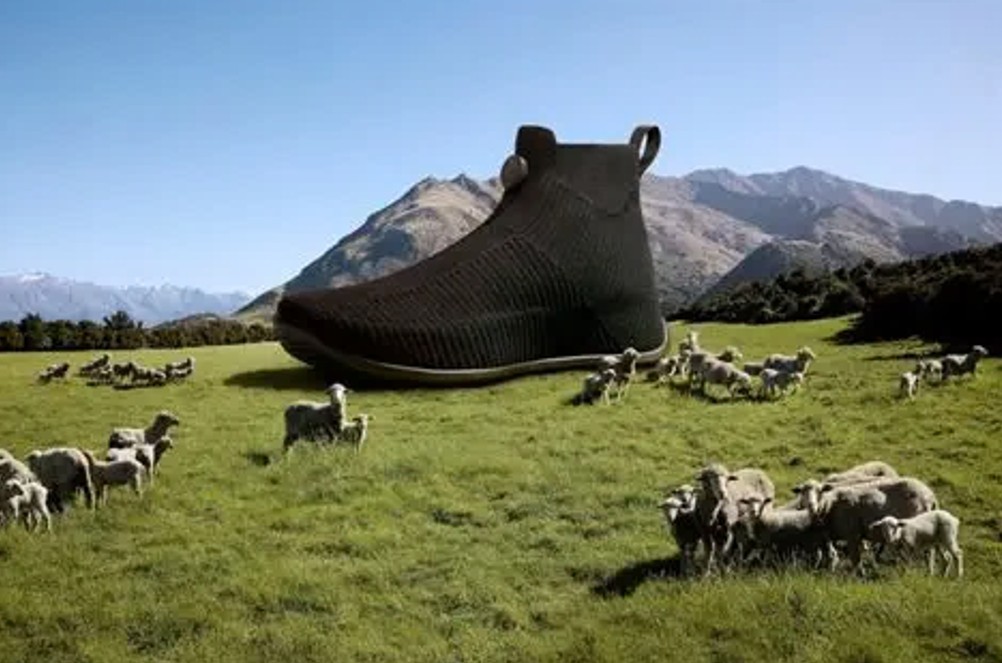
Allbirds demonstrates several early symbiotic qualities through its use of natural materials, low‑impact processes, and a clear ethos of environmental responsibility. By replacing petroleum‑based synthetics with wool, tree fibre, and sugarcane, the brand shows material reciprocity, and its focus on lightweight, breathable, everyday footwear enhances consumer capability by making movement and comfort effortless.
The company’s messaging around “Materials & Making,” “Our Materials,” and “Shoe Care” reflects a mindset of transparency and responsibility, suggesting a stable, nature‑aligned operational philosophy.
However, Allbirds falls short of full symbiotic status as defined in Symbiotic Business. It does not demonstrate mutual capability enhancement across all stakeholders, nor does it show evidence of regenerative ecological reciprocity, circular material loops, or shared governance structures. Its sustainability remains consumer‑centric rather than ecosystem‑centric, and there is no visible commitment to community uplift, cooperative ownership, or regenerative supply‑chain practices.
As a result, Allbirds can be understood as a proto‑symbiotic brand—strongly aligned with natural materials and ethical processes, yet still operating within conventional business boundaries rather than the deeper relational, regenerative, and governance commitments required for true symbiosis.
