
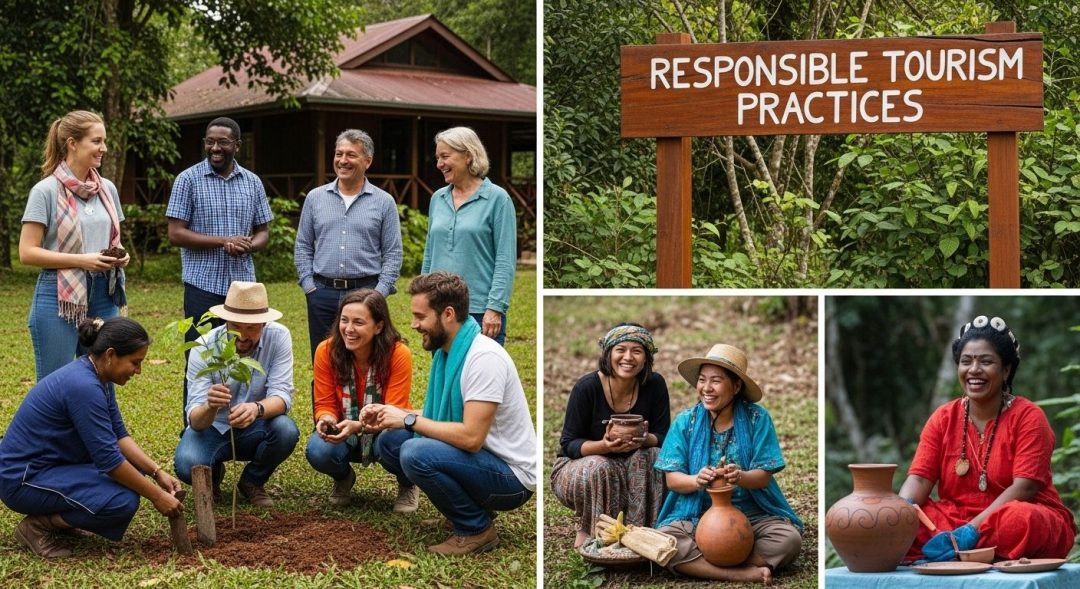
Travel has always been a way for people to connect with landscapes, cultures, and one another. But in a world facing ecological strain and social imbalance, the way we travel matters more than ever.
Responsible Travel positions itself as a pioneer in ethical tourism, offering holidays designed to benefit local people, protect environments, and enrich the traveller’s experience. This approach aligns closely with the principles of Symbiotic Business: creating value that flows in multiple directions rather than extracting it from communities or ecosystems. The question is whether tourism as a whole can move beyond sustainability and into true symbiosis where travel becomes a force for mutual flourishing.
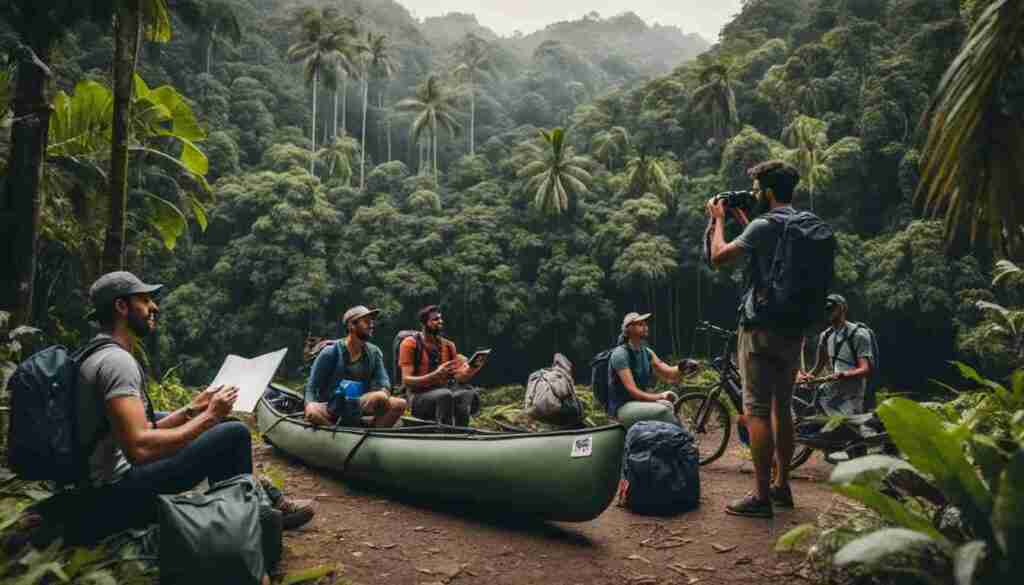
Responsible Travel positions itself as the world’s first and largest responsible holiday company, founded in 2000 and built on the idea that holidays supporting local people and places are more enjoyable. Their model blends ethical tourism, environmental stewardship, and community benefit. The company curates over 6,000 trips, carefully selecting local specialists, promoting conservation‑focused experiences, and ensuring that customer reviews come only from verified travellers (96% rated 4 or 5 stars this year).
At its core, Responsible Travel emphasises mutual benefit. Travellers gain richer, more meaningful experiences; local communities receive economic and cultural support; and natural environments are protected through wildlife holidays, conservation cruises, and responsible travel guides. Their “Trip for a Trip” scheme has already provided days out for over 9,000 disadvantaged children, demonstrating a commitment to social uplift that goes beyond commercial tourism.
The company also invests in transparency: impact reports, founder statements, and clear declarations of what they do not sell. Their travel guides highlight when to go — and when not to — and offer advice on responsible behaviour in sensitive environments. This aligns with the symbiotic business principle of optimising rather than maximising, encouraging travellers to make choices that respect ecological limits.
Responsible Travel could evolve from just being responsible into a truly symbiotic business by shifting from harm‑reduction to regeneration. That is actively restoring ecosystems, strengthening biodiversity, and improving the places travellers visit. They could also deepen their industry influence by challenging high‑impact tourism norms, advocating for ecological limits, and collaborating with governments and NGOs to redesign tourism systems. Greater supply‑chain transparency, including carbon data and ethical sourcing, would strengthen accountability, while embedding circular practices such as zero‑waste partnerships and regenerative accommodation standards would align operations more with ecological principles. Finally, moving toward community co‑ownership and profit‑sharing would ensure that local people not only benefit from tourism but also help govern and shape it, completing the transition to a fully symbiotic business model.
