
Copyright: The Creative Commons Attribution-Share Alike 3.0 Unported license.
Riverford Organic Farmers: A Leading Example of Sustainable Food and Ethical Farming
In an era when consumers increasingly seek transparency, sustainability and ethical business practices, Riverford Organic Farmers has emerged as one of the UK’s most respected food businesses. Founded on principles of organic agriculture, environmental stewardship and fair treatment of people throughout the supply chain, Riverford demonstrates how commercial success can be achieved without compromising social or ecological responsibility.
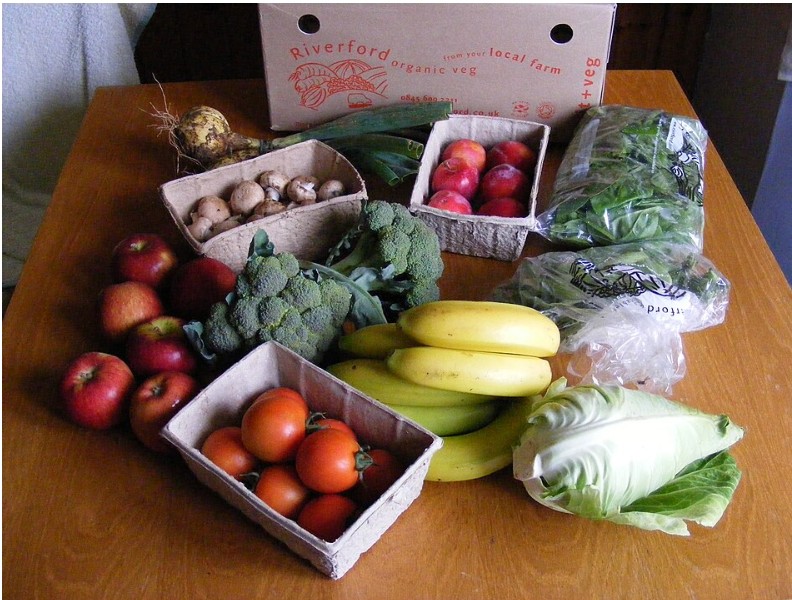
What began as a small organic farming enterprise has evolved into a nationally recognised food delivery business, supplying thousands of households with seasonal organic fruit and vegetables. Yet Riverford’s success extends beyond financial performance. The organisation has consistently embedded values-led decision-making into its operations, creating positive outcomes for customers, employees, growers, local communities and the natural environment.
This case study examines Riverford through the lens of the Symbiotic Business Assessment™ framework. By exploring its governance, stakeholder relationships, environmental commitments and long-term value creation approach, we can gain valuable insights into how businesses can thrive by generating benefits that extend well beyond shareholders alone. Riverford provides a compelling example of how symbiotic principles can be translated into practical business strategies that enhance resilience, trust and sustainable development.
Through this analysis, readers will discover why Riverford is widely regarded as a leader in ethical food production and what lessons its approach offers for organisations seeking to create lasting value in an increasingly interconnected world.
Copyright: The Creative Commons Attribution-Share Alike 3.0 Unported license.
Symbiotic Business Assessment™: Riverford Organic Farmers
Overview
Riverford Organic Farmers is widely recognised as one of the United Kingdom’s leading ethical food businesses. Founded on principles of organic agriculture, environmental stewardship, fair trade and responsible business conduct, the organisation has demonstrated that commercial success can be achieved while generating substantial value for society and the natural environment.
The company operates a direct-to-consumer model that connects organic growers with households seeking sustainable food choices. By prioritising long-term stakeholder value over short-term financial gain, Riverford provides an excellent example of a business operating within a symbiotic framework.
SBA™ Assessment Summary
Purpose and Values: 9.5/10
Riverford exhibits a clear and authentic purpose centred on sustainable food production, environmental responsibility and ethical treatment of stakeholders. The company’s values are visible throughout its operations and are consistently reflected in strategic decisions.
Key Strengths
- Strong commitment to organic farming principles
- Transparent communication with customers
- Values-led leadership and governance
- Long-term sustainability focus
Environmental Stewardship: 9.5/10
Environmental responsibility forms a core element of Riverford’s business model. Organic farming methods support soil health, biodiversity and ecosystem resilience while reducing dependence on synthetic inputs.
Key Strengths
- Certified organic production
- Promotion of biodiversity
- Soil regeneration practices
- Reduced environmental impact across operations
- Continuous improvement in sustainable packaging and distribution
Stakeholder Relationships: 9.0/10
Riverford demonstrates a collaborative approach to stakeholder engagement. Relationships with growers, suppliers, employees and customers are characterised by transparency, fairness and mutual benefit.
Key Strengths
- Strong supplier partnerships
- Ethical procurement practices
- High customer trust levels
- Employee participation and engagement
- Community-focused initiatives
Economic Resilience: 8.5/10
The business has achieved significant market credibility through product quality and ethical differentiation. Its direct-to-consumer model supports resilience by strengthening customer relationships and reducing intermediary dependency.
Key Strengths
- Strong brand reputation
- Loyal customer base
- Diversified produce sourcing
- Stable long-term business model
Social Value Creation: 9.0/10
Riverford creates social value through ethical employment practices, support for sustainable agriculture and promotion of healthier food systems. The organisation consistently contributes positive outcomes beyond its immediate commercial objectives.
Key Strengths
- Support for rural economies
- Fair treatment of workers and growers
- Customer education on food sustainability
- Promotion of responsible consumption
Governance and Accountability: 8.5/10
The company’s governance approach reflects transparency and stakeholder consideration. Decision-making appears aligned with its stated values, helping maintain trust and organisational integrity.
Key Strengths
- Values-driven leadership
- Open stakeholder communication
- Strong ethical reputation
- Commitment to long-term outcomes
SBA™ Scorecard
| Assessment Dimension | Score |
|---|---|
| Purpose & Values | 9.5/10 |
| Environmental Stewardship | 9.5/10 |
| Stakeholder Relationships | 9.0/10 |
| Economic Resilience | 8.5/10 |
| Social Value Creation | 9.0/10 |
| Governance & Accountability | 8.5/10 |
Overall SBA™ Score
54.0 / 60 (90%)
SBA™ Classification
Highly Symbiotic Enterprise
Riverford demonstrates a mature integration of economic, social and environmental value creation. The organisation’s commitment to organic farming, ethical business conduct and stakeholder wellbeing illustrates how commercial success can be achieved while contributing positively to society and the environment. Its business model provides a compelling example of a highly symbiotic enterprise capable of generating sustainable long-term value across multiple stakeholder groups.
Key Lessons for Business Leaders
Riverford’s experience highlights several important lessons for organisations seeking to strengthen their symbiotic performance:
- Clear values can become a source of competitive advantage.
- Environmental stewardship can enhance business resilience.
- Strong stakeholder relationships generate long-term trust.
- Ethical governance supports sustainable growth.
- Commercial success and societal benefit are not mutually exclusive.
Intrinsic Spring Perspective
Riverford Organic Farmers demonstrates that sustainable business is not merely about reducing harm but about creating positive and regenerative outcomes. Through the lens of the Symbiotic Business Assessment™, the organisation illustrates how businesses can align commercial viability with environmental restoration, social wellbeing and stakeholder prosperity. As global expectations continue to evolve, Riverford provides a practical example of how symbiotic principles can be translated into measurable business success.
