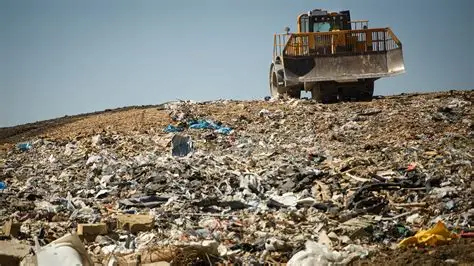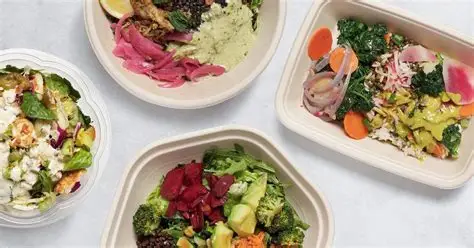
EPS love trash talk, especially when it’s about keeping plastic food packaging and serviceware out of our landfills and oceans by choosing products that are compostable and earth-friendly.
And EPS walk the talk. With an ever-growing selection of products made from renewable, plant-based resources, EPS exist to help their customers in their efforts to offset the negative environmental impacts of petroleum-based plastics.
EPS is driven by the vision of a compostable waste stream becoming a reality in our lifetime. A carbon-neutral, closed loop product lifecycle beginning with agriculturally derived raw materials manufactured into disposable products, captured from the municipal waste stream, composted, and then returned to the soil as nutrients to grow more crops.
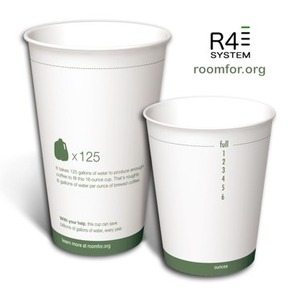
The R4 cup concept takes the concept of sustainable packaging in a different direction. Here is a concept that is simple for us to engineer and not a burden to implement at the coffee shop — and one that could save potable water, a very precious resource that is being privatized in many third-world countries where coffee is grown. The R4 System® hot cups could save the coffee operator money while simultaneously educating the consumer about the issue of water resources in the world. This is a win-win for all involved.
What makes these new cups so special?
The R4 System is simple and clever. Level markers printed on the cup clearly indicate to the barista how much coffee to put into the cups. In four words, the consumer can tell the barista to “Leave room for 2” and the cup will be filled to the second line from the top of the cup, leaving exactly that much room for cream.
The Benefits
There are multiple advantages to using and properly disposing of biodegradable and compostable products that:
- Take less time to break down than other solid materials
- Are made from biomass — organic compounds are completely renewable
- Are better for the environment, dispersing very few greenhouse gases
- Often require less than half as much energy to manufacture
- Are non-toxic
- Reduce our dependence on foreign countries’ fossil fuels<
- Reduce the costs of solid waste disposal
- Divert waste from already overcrowded landfills, thereby reducing groundwater and air pollution via methane
- Support local, sustainable businesses such as composters.