
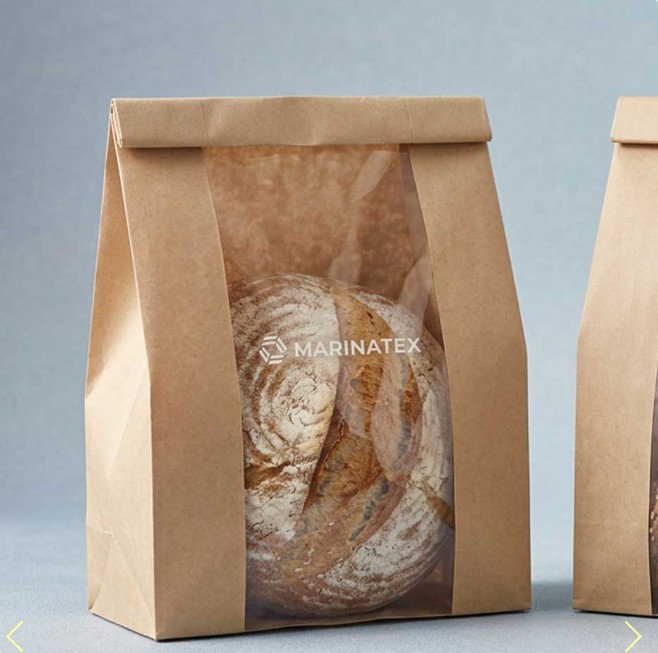
Marinatex is an innovative bioplastic made from fish waste and natural polymers, designed to replace single‑use plastics with a cleaner, circular alternative. Developed to tackle both plastic pollution and food‑industry waste, it transforms low‑value by‑products into a strong, flexible material that biodegrades naturally without leaving harmful residues.
What makes Marinatex stand out is its simplicity: it uses renewable ingredients, requires low‑energy production, and fits seamlessly into existing packaging needs. From food wrapping to everyday disposable items, it offers a practical pathway toward reducing reliance on fossil‑based plastics while supporting more symbiotic, regenerative business models.
For Intrinsic Spring, Marinatex represents the kind of material innovation that aligns with intrinsic capability, circular design, and sustainable value creation — showing how waste can become a resource and how small shifts in materials can drive big environmental impact.
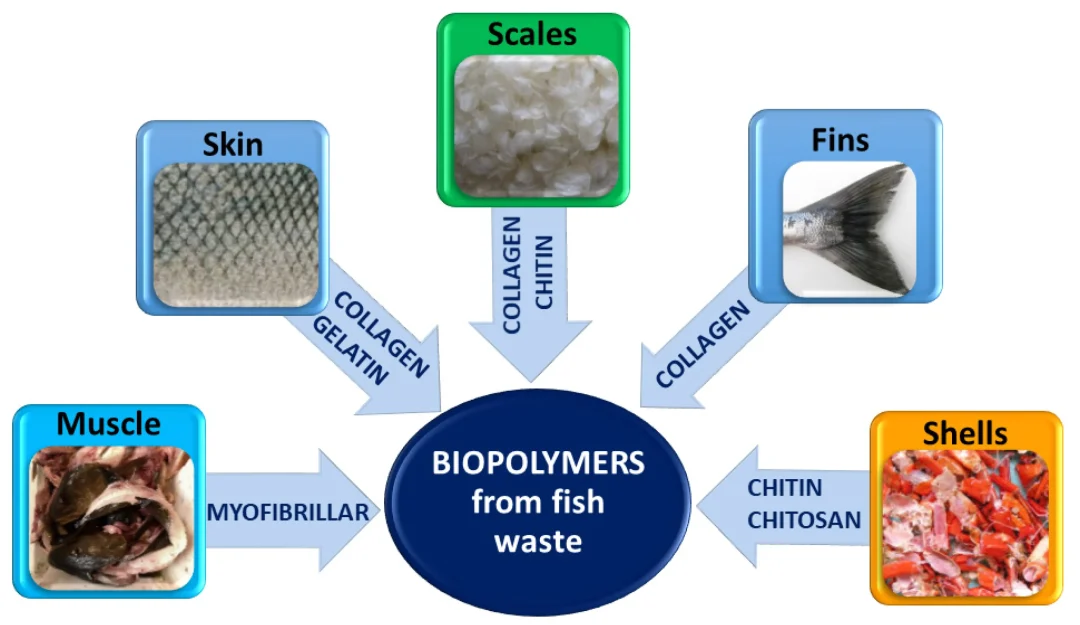
MarinaTex is a biopolymer film made by combining fish‑processing waste—primarily collagen‑rich skins and scales—with red algae polysaccharides. The process uses low‑temperature extraction, which preserves polymer integrity and keeps energy demand extremely low compared with conventional plastic production.
The resulting material is formed through hydrogel blending, where collagen fibres bind with alginate to create a cross‑linked biopolymer network. This network gives MarinaTex its strength, flexibility, and transparency. Because the polymers are naturally occurring, the material biodegrades in roughly 4–6 weeks, without industrial composting, additives, or microplastic residue.
Key technical features:
Uses organic polymer chains (collagen + alginate) instead of petrochemical polymers
Requires no toxic plasticisers or chemical solvents
Produced at <100°C, drastically reducing energy input
Biodegrades fully under home‑compost conditions
Stronger than LDPE despite being made from waste streams
MarinaTex turns fish‑processing waste into a high‑value biopolymer, creating mutual benefits across the value chain. Fish producers reduce disposal costs, local communities gain green‑economy jobs, and packaging users receive a biodegradable alternative to single‑use plastics. The material returns safely to nature, supporting regenerative ecological flows. MarinaTex demonstrates how waste can become a shared resource, generating ecological, social, and economic value simultaneously — the core of a symbiotic business.
