

Not like real meat – IT IS REAL MEAT
Current agricultural production methods have a devastating impact on the environment and society. Raising livestock to feed more people more protein will only make the situation worse.
Meatable is leading the charge in revolutionizing how we produce and consume meat. With groundbreaking technology that produces planet-friendly meat in days instead of months/years, Meatable is setting a new standard for efficiency, sustainability, and scalability in the food industry. Their cultivated meat technology is designed to complement and integrate into traditional meat supply chains, offering opportunities for partnerships that strengthen the entire system.
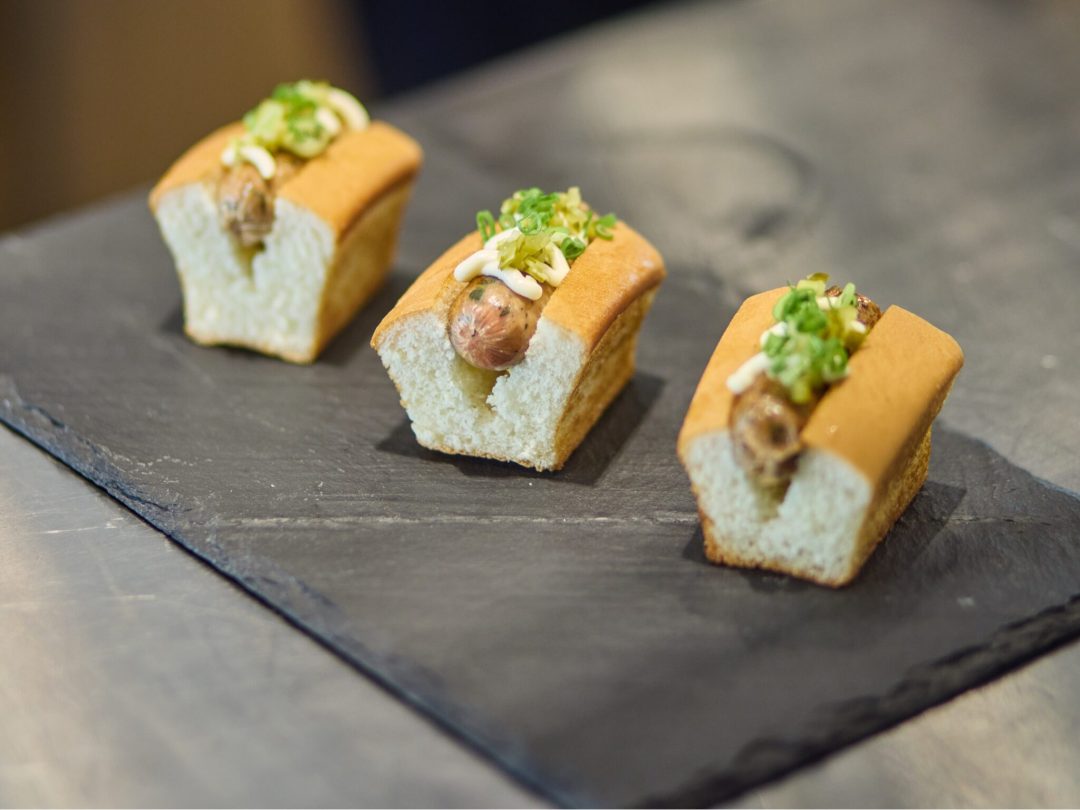
Traditional agriculture does come with negative consequences: impact on the quality of our soil and water, its negative contribution to climate change and the number of animals required. But demand for protein is set to grow by another 70% by 2050. Collaboration between big meat and cultivated meat is the only viable answer to today’s challenges. The solution lies not in replacing the traditional industries, but in working together to really make an impact.
Cultivated meat saves animals
The average person consumes about 7,000 animals in their lifetime. To put that in perspective, that’s 11 cows, 27 pigs, 2,400 chickens, 80 turkeys, 30 sheep and 4,500 fish per person! We can all recognize that that is a lot of animals.
The new natural
Cultivated meat done the Meatable way doesn’t require animal lives at all. To make meat for food, we take a sample from an unharmed, healthy, happy, living animal. That would be more than 70 billion animal lives saved per year if we all switched to cultivated meat.
Cultivated meat is healthier
Antibiotics are used in traditional farming as a growth promotion strategy as well as a disease prevention strategy. Unfortunately, we sometimes ingest those antibiotics when we eat meat from animals treated with them. This has been a major contributing factor to antibiotic resistance by dangerous bacteria.
Also we are increasingly aware of the danger of zoonotic diseases (diseases that can cross species from animals to humans, including COVID-19) arising from animal agriculture and slaughter. These diseases are particularly problematic in factory farming and abattoirs where animals and people are in constant close contact.
Cultivated meat is a better use of space
Animals are big, and they need to be outside. Animal agriculture generally uses greenfield development, which involves incredible deforestation to develop grazing spaces or factory sheds. In fact, animal agriculture is the leading cause of deforestation globally.
With cultivated meat, unlike with animal agriculture, we have the opportunity to leverage creative production spaces that are a more flexible use of space, such as multi-story, mixed-use buildings. Imagine, for example, going to the grocery store and picking up a package of pork chops that were produced on a different level of the very same building.
CULTIVATED MEAT IS DELICIOUS
