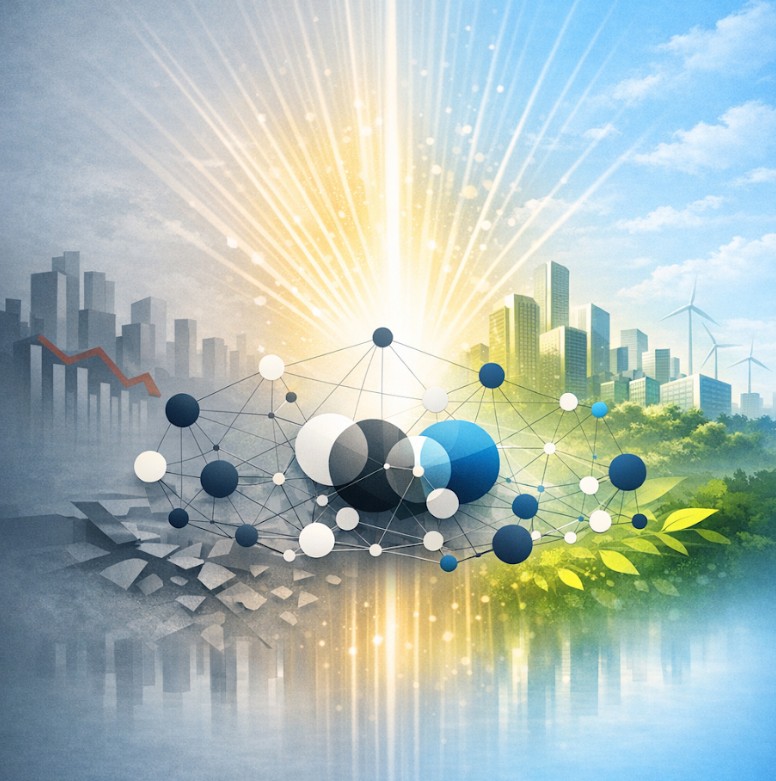
The World Inequality Report 2026 provides an alternative to climate breakdown, political extremism and economic tensions. Humanity can raise living standards, reduce inequality and keep global heating within a 2C rise.
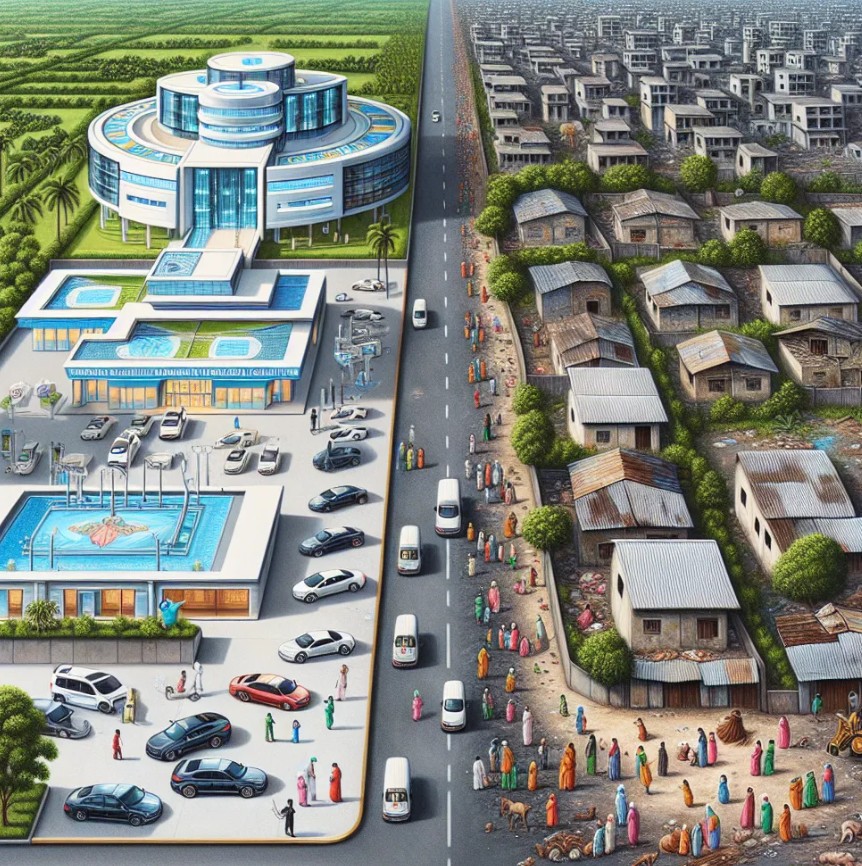
The report comcludes that inequality is a political choice. It is the result of our policies, institutions, and governance structures. The costs of escalating inequality are clear: widening divides, fragile democracies, and a climate crisis borne most heavily by those least responsible. But the possibilities of reform are equally clear. Where redistribution is strong, taxation is fair, and social investment is prioritized, inequality narrows.
The tools exist. The challenge is political will. The choices we make in the coming years will determine whether the global economy continues down a path of extreme concentration or moves toward shared prosper.
To Reduce Inequality
Education and Health
These are among the most powerful equalizers, yet access to these basic services remains uneven and stratified. Public investment in free, high-quality schools, universal healthcare, childcare, and nutrition programs can reduce early-life disparities and foster lifelong learning opportunities. By ensuring that talent and effort, rather than background, determine life chances, such investments build more inclusive and resilient societies.
Redistributive Programs.
Wealth redistributions by cash transfers to pensions, unemployment benefits, and targeted support for vulnerable households can directly shift resources from the top to the bottom of the distribution. Where well designed, such measures have narrowed income gaps, strengthened social cohesion, and provided buffers against shocks, especially in regions with weaker welfare states.
Advancing Gender Equality
Reducing gender gaps requires dismantling the structural barriers that shape how work is valued and distributed. Policies that recognize and redistribute unpaid care work, through affordable childcare, parental leave that includes fathers, and pension credits for caregivers, are essential to leveling the playing field. Equally important are the strict enforcement of equal pay and stronger protections against workplace discrimination. Addressing these imbalances ensures that opportunities and rewards are not determined by gender but by contribution and capability.
Climate policies
Well planned Climate Policies using subsidies coupled with progressive taxation have the potential to accelerate the adoption of low-carbon technologies in a fair way. Taxes and regulations on luxury consumption or high-carbon investments can also help reduce emissions levels among the wealthiest groups.
Fairer Taxes
Having high earners contribute at higher rates through progressive taxes, not only mobilizes resources but also strengthens fiscal legitimacy. Even modest rates of a global minimum tax on billionaires and centi-millionaires could raise between 0.45% and 1.11% of global GDP and could finance transformative investments in education, healthcare, and climate adaptation.
Reforming Global Finance